Drawing by Hand in the Age of Midjourney
A few curves is all it takes.
A C-shape for the torso, a longer sweep for the leg bearing weight, a quick flick for the one that isn’t. Two minutes, maybe less. The figure on your page doesn’t look like the person in front of you. It looks like the feeling of the person in front of you. The weight, the lean, the tension in the shoulders.
That’s what hooked me.
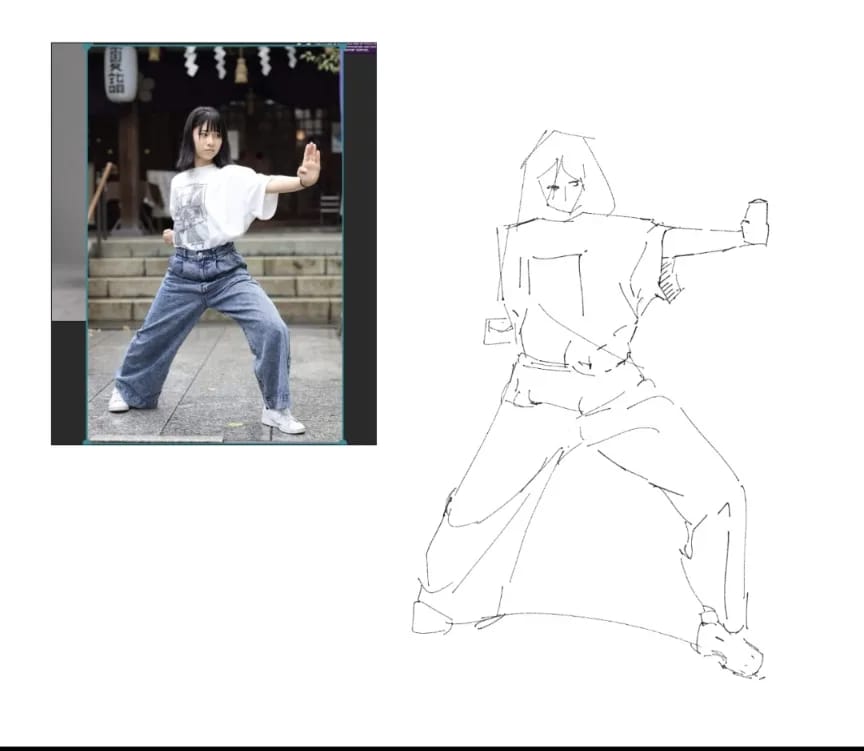
I didn’t start drawing seriously until college. Before that it was doodling in notebook margins, the kind of thing you do when your hands need something to do and your brain needs somewhere quieter. In college, that need got louder. Crowded rooms, long lectures, the kind of days where my focus would scatter if my hands stayed still.
So I drew. Not well. Not with purpose. Just lines on paper until the noise quieted down.
Somewhere in there, gesture drawing found me. The idea that a human body, in all its complexity, could be captured in a few confident strokes. That a still image could look like it was about to move. That’s the feeling I chase every time I pick up a pen. Not accuracy. Movement.
The Burst Problem
Here’s the thing nobody tells you about creative practice: wanting it badly doesn’t make it happen consistently.
I go weeks without touching a sketchbook. Then something shifts. Some restlessness builds up, or I see a face that I need to put on paper, or I just can’t sit still anymore. And then I draw for hours.
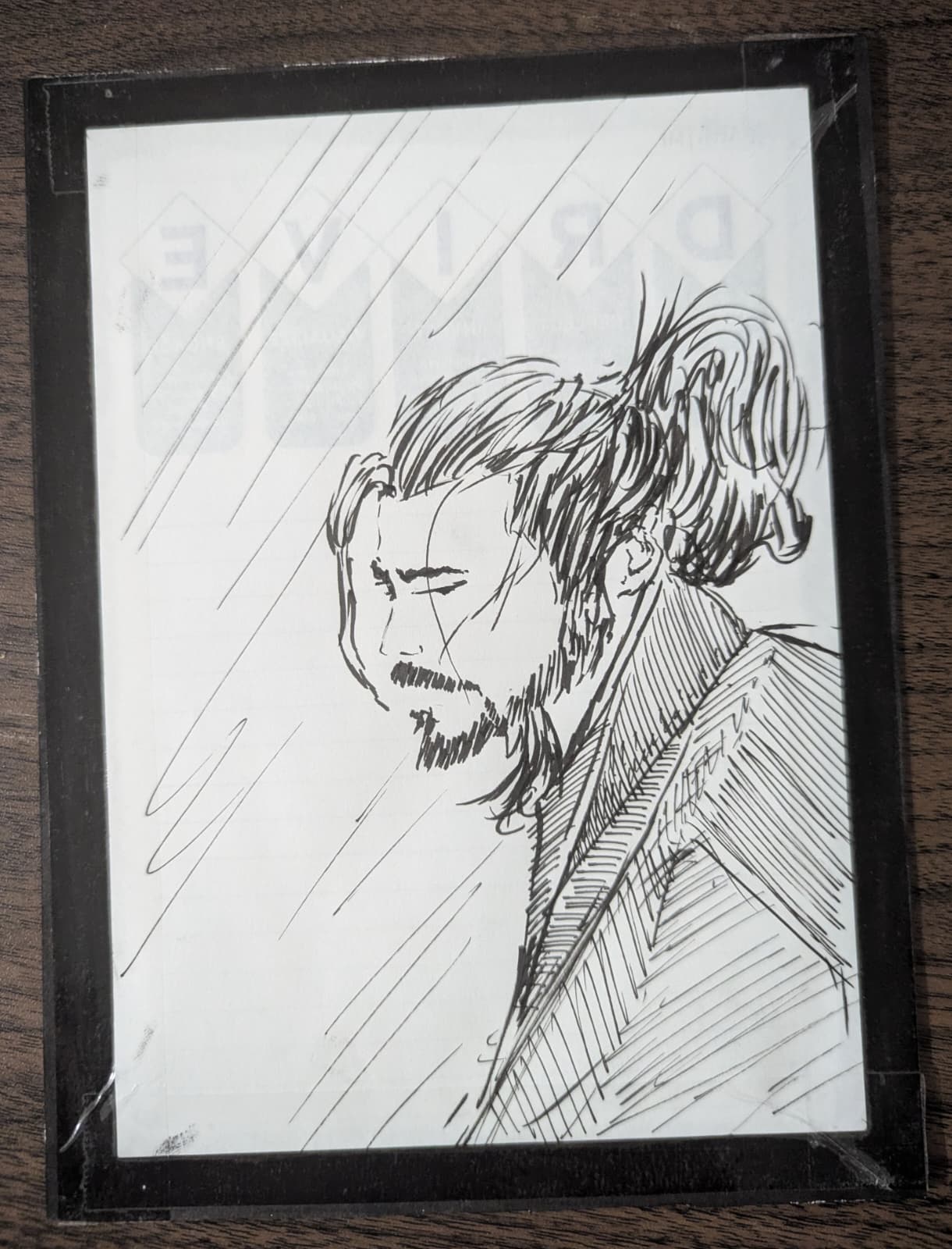
The bursts produce my best work. The portraits with real weight behind them, the ones where the linework feels alive. But bursts aren’t discipline. And craft requires discipline.
I know the gap between where I am and where I want to be is made of all the days I didn’t draw. That’s my oldest creative frustration. I suspect it’s a common one.
What Ink Teaches You
There’s a thing that happens when you draw with ink. You can’t undo.
Pencil lets you hedge. Digital lets you ctrl+z. Ink is permanent the moment it touches paper. You commit to a line before you know if it’s right. And when it’s wrong (and it will be wrong), you don’t erase it. You work with it. You let the mistake become part of the drawing, or you push the next line harder to compensate.
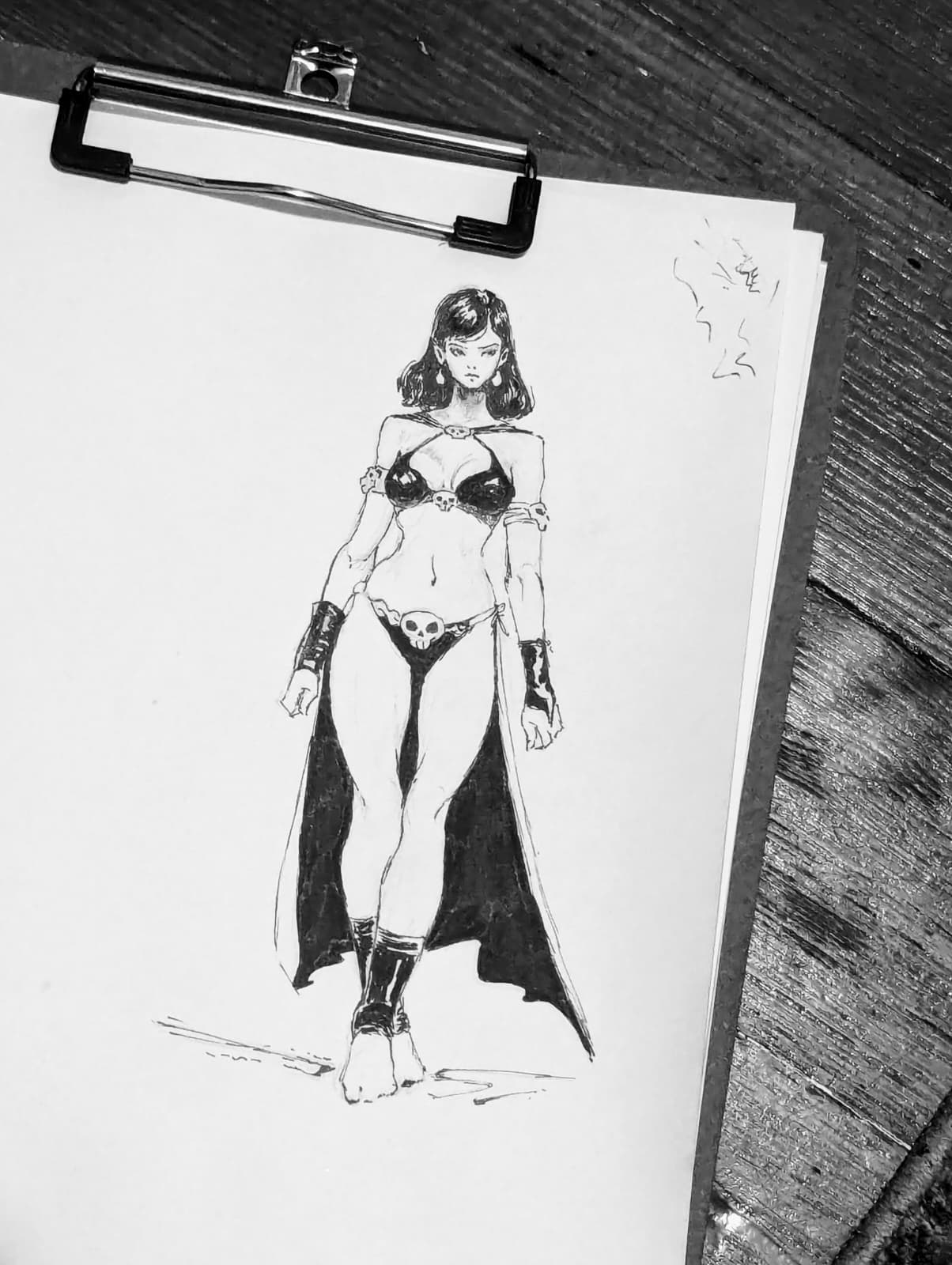
I won’t pretend this makes you a better software engineer. But the patience it requires, sitting with something that isn’t working and resisting the urge to start over, finding the next right line instead of mourning the last wrong one, that patience is transferable. Not as a skill. As a temperament.
The Process Is the Point
I work in machine learning. I built a neural style transfer plugin that teaches a network to paint like Van Gogh in real-time. I’ve spent more hours than I’d like to admit training models on artistic data. So I don’t say any of this from the outside.
AI image generation is impressive. The outputs are often beautiful. That’s not the interesting question.
The interesting question is: what do you lose if the only images you ever make are the ones you type a sentence to produce?
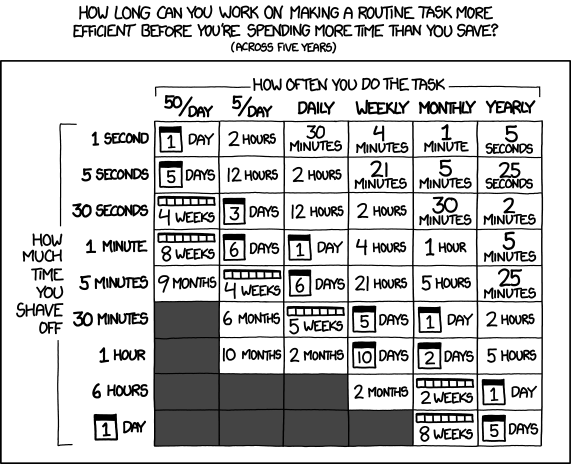
You lose the hours of bad gesture drawings that eventually produce one good one. The specific frustration of getting a jawline wrong three times before the fourth attempt lands. The evening spent on a ruffled collar that you almost gave up on twice before the whole composition clicked.
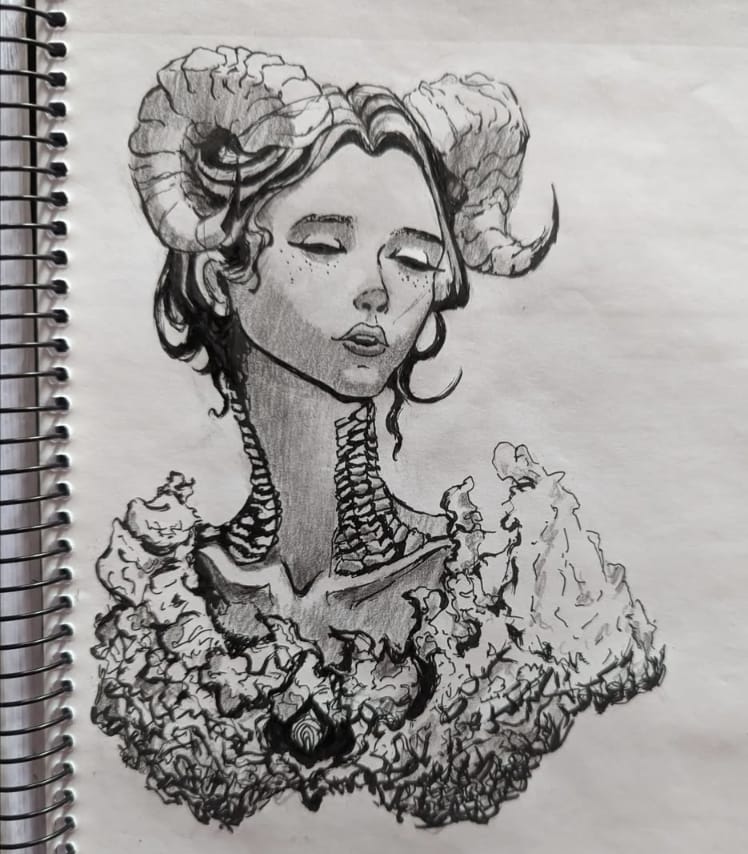
When I look at this drawing, I don’t just see the image. I remember making it. The way the horns came together before the face did. The moment I almost scrapped the collar and the moment it started working. That story is part of what the drawing is. It exists because I sat with it for hours, not because I described it in a sentence.
Even watching someone else draw has this quality. Seeing a person who has mastered a craft, or who is visibly in the middle of mastering it, the hand moving with intention, the mistakes left in. There’s something there that no output, however polished, can carry on its own.
The efficiency argument misses the point entirely. Of course a prompt is faster than a pen.
Art is more than the artifact. It’s the making of it. And the making is something you have to do with your hands.
The Pen Is Still Here
My sketchbook is on my desk right now. The brush pen is next to it. I haven’t opened it in eleven days. I know this because I checked before writing this sentence.
Tomorrow it might be twelve. Or tomorrow I might draw for three hours and fill four pages and feel like myself again.
That’s how it works. The practice isn’t daily. The desire is. And I think that’s enough to keep going, even if it doesn’t look like discipline from the outside.
If you’re an engineer who used to draw, or who always wanted to, or who doodles in meetings and feels vaguely guilty about it: the pen is still there. Pick it up. Draw badly. Draw the same face six times until the seventh one has something in it you can’t explain.
It won’t make you a better programmer. It’ll make you a more patient person. And those are sometimes the same thing.
 /\_/\
( ^.^ )